
“Dedicated to the wonderful blue-footed booby in my life!” Written by Lynn Marie Allen
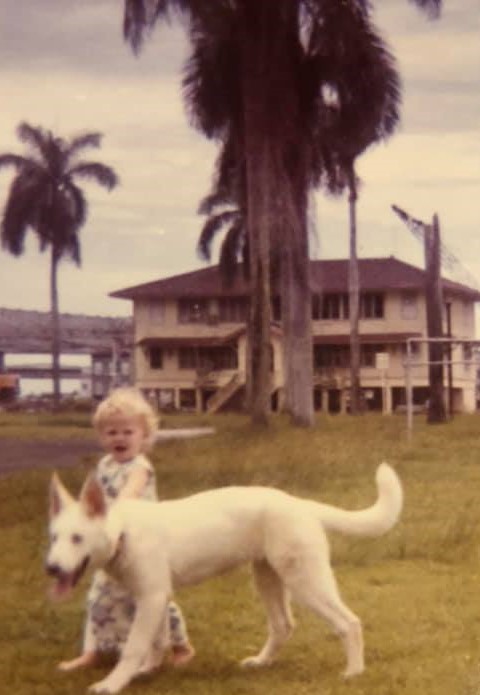
Did you know that on December 31, 1999, the Panama Canal returned to the people of Panama in a highly anticipated event? The event heralds the first time the Panama Canal was under control by Panamanians. Did you know you have to pay a toll to pass through the canal? Did you know approximately 13,000 to 14,000 ships travel the channel each year? Did you know the largest toll was roughly $450,000, and the smallest was thirty-six cents? By the way, the thirty-six cents paid by Richard Halliburton, who paid his toll to swim the canal. Did you know the Panamanian people collect approximately 1.8 Billion in toll revenue annually? It takes about 8 to 10 hours to ferry the channel. Did you know that when navigating through the channel, ship captains turn over the operation of their ships to be guided through the canal by specially trained captains? Did you know in 2007, the Panama Canal underwent an expansion to handle mega-ships?
The earliest history surrounding the canal began around the 1500s when sailors sought an accessible route from the Atlantic to the Pacific Ocean. The Panama Canal sparked interest again in 1848 during the Gold Rush. A water vessel can save approximately 7,800 nautical miles from N.Y. to San Fransisco.
In 1903 under the direction of Franklin Delano Roosevelt, when Panama gained its independence in a revolution with Columbia, a mutually beneficial treaty was carried out. The subsequent treaty, the “Hay-Bunau-Varilla Treaty,” was signed between Panama and the U.S. In exchange for leasing the canal, the United States paid Panama 10 million to lease and an additional $250,000 per year in rent.
In addition to many of the remarkable facts previously mentioned about the Panama Canal, there are a few more reasons this redhead would like to return. First, the location heralds the birthplace of my brother, who is no longer with us. Second, the region is one of remarkable animal wildlife in the nature reserve. The area features three sloth species, including the Bradypus sloth, and you are sure to enjoy each visual display of these curious creatures with a perpetual smile. Next up is Geoffroy Spider Monkey, a critically endangered species due to habitat loss and hunting, but you still have an excellent chance to capture a few of these creatures while visiting. Panamanian Tamarins are most common in this region and thrive in their secondary forest due to the primary forest and habitat trampled by deforestation. The Panamanian Night Monkey is one of approximately twelve nocturnal monkeys in the region. The blue-footed booby, now I am sure you can walk right outside your house; maybe you don’t even have to leave the house or on your next facetime call to whatever color booby is in your life! That, ladies and gents, was this writer’s stab at humor. How did I do? The blue-footed booby is not native to the region, but I am sure you will agree who doesn’t love “the lords of dance” showing off his amorous dance moves display in the name of LOVE! White-headed capuchins are one of the most intelligent of their species and, without a doubt, the cutest, and these delightful creatures will barter food for favors. The green Iguana appears threatening in demeanor from its appearance and is very docile and calm. This species can live in the wild for over twenty years, while in captivity, they will only live for approximately two years. Capybara and lesser Capybara are delightful web-footed rodents that have captured many hearts. The animal is semi-aquatic and enjoys spending his time on the banks of rivers and lakes in Panama and South America. Swimming the Panama Canal is highly not recommended due to it being the home of Caymans and Crocodiles, both fierce water reptiles that have no problem taking on whoever is fearless enough to venture into the waters. Manatees, known as gentle giants of the water, were an introduced species to the Panana to increase aquatic vegetation growth. The Manatee is a critically endangered species, and spotting one of these may be rare, albeit impossible, but the potential sighting may still make your jungle cruise worthwhile.
I am not advocating for the systematic destruction of forests, quite the opposite. Look around and explore why forests are beautiful beyond the trees and the animal wildlife! Plant more trees and appreciate your earth. Please open your eyes, folks. We get one shot, one chance, and one planet, and listen up. “There is not a single one of us that will be impacted less by any of this destruction!!!” It takes a global community to change how we see our earth and appreciate all its wonders! Get up off your proverbial arses and find these treasures!
 Forest of Words